
Sustainable Infrastructure Consulting
Building a specialist consulting business from expertise into a clear, commercially structured brand.
A complete business and brand development partnership spanning commercial strategy, service design, identity, documentation, website development and ongoing brand support.

The project
Sustainable Infrastructure Consulting began with substantial technical knowledge, industry experience and a clear understanding of the opportunities hidden within waste systems.
The challenge was to turn that expertise into a business that could be readily understood and confidently engaged by councils, waste service providers, industrial organisations and businesses considering larger infrastructure or resource-recovery projects.
The work began before there was a finished brand, established offer structure or public-facing business presence.
Together, we shaped the business from the ground up: clarifying its commercial direction, defining its services, developing the identity and creating the systems, documents and digital presence needed to take that expertise to market.
This was not simply a branding or website project. It was the development of the business around the knowledge, experience and practical value already there.
Establishing the business
The early work focused on giving Sustainable Infrastructure Consulting a clear commercial foundation.
This included defining the purpose of the business, identifying its most viable areas of work and structuring its expertise into services that potential clients could understand and purchase.
The business needed to speak to several levels of decision-making, from organisations looking for immediate waste-cost reductions through to councils and infrastructure stakeholders exploring complex bioenergy and circular-economy opportunities.
The aim was to create a model that could begin with practical, accessible consulting work while also supporting larger strategic and feasibility projects over time.
That structure created a clearer path from specialist knowledge to a viable consulting business.
Turning expertise into defined services
A consultant may understand the full complexity of a client’s situation, but the client still needs a clear place to begin.
The service architecture was developed around three connected needs: understanding the current system, improving immediate performance and planning for longer-term infrastructure.
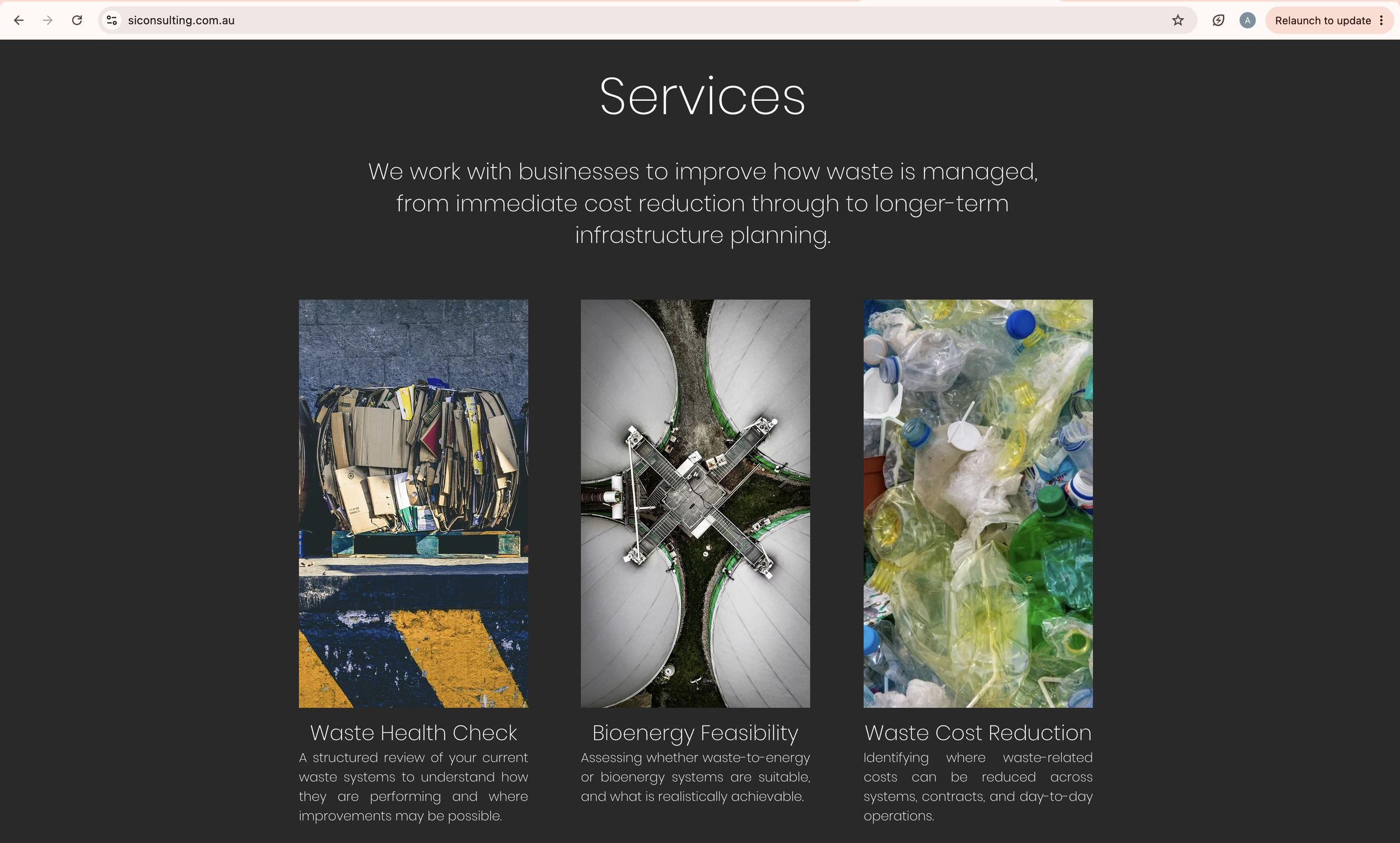
The Waste Health Check became the practical entry point. It gives organisations a structured way to examine how waste is currently being managed, identify inefficiencies and uncover opportunities for improvement.
Waste Cost Reduction provides a more targeted pathway for reducing costs across contracts, services, infrastructure and day-to-day operations.
Bioenergy Feasibility supports organisations considering waste-to-energy, anaerobic digestion and related infrastructure, helping them determine what is technically realistic and commercially viable before committing further resources.
Together, these services created a progression from review, to optimisation, to longer-term planning.
Building the commercial strategy
The work extended beyond naming services and presenting them on a website.
The business model, project pathways and monetisation strategy were developed around the realities of specialist consulting.
This included considering how smaller diagnostic engagements could lead into implementation work, strategic advisory projects, feasibility studies and ongoing support.
The offer structure needed to allow Sustainable Infrastructure Consulting to respond to immediate operational problems without limiting the business to small, isolated projects.
It also needed to demonstrate the value of independent analysis in an industry where poor infrastructure decisions, inefficient contracts and overlooked waste streams can carry significant long-term costs.
The result was a commercial structure designed to support both focused consulting engagements and more complex, long-term projects.
Building the digital experience
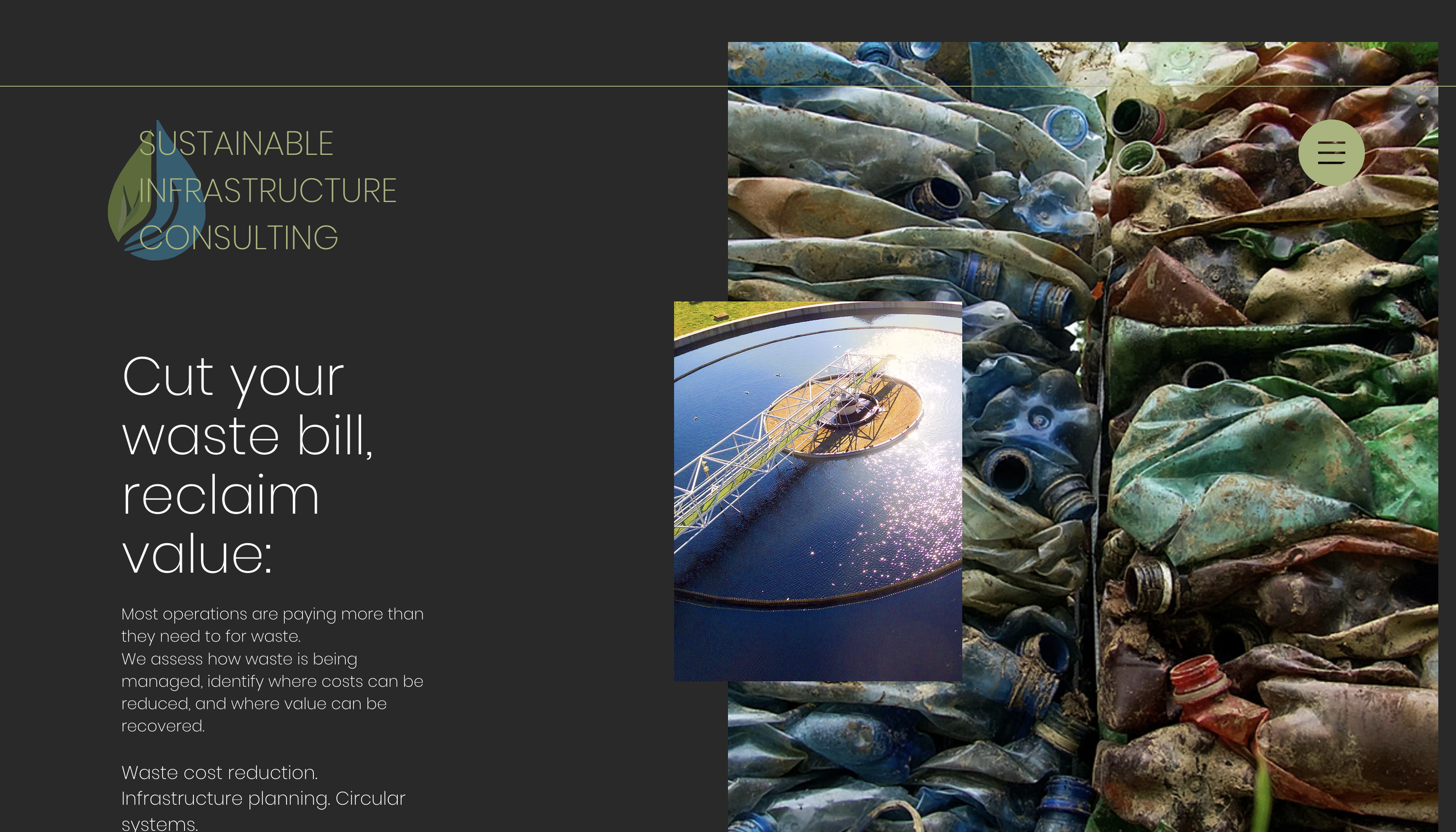
The website became the central place where the business, services and technical capability could be brought together.
The work included website strategy, information architecture, copywriting, visual direction, image selection and WIX design and development.
The content was structured to help visitors quickly understand what Sustainable Infrastructure Consulting does, where it can create value and which service provides the most appropriate starting point.
The website balances immediate commercial concerns with larger infrastructure possibilities. It speaks about cost reduction and operational inefficiency while also establishing capability in bioenergy, resource recovery and circular systems.
Search and AI-findability foundations were incorporated into the page structure and content so the business could be more clearly interpreted by people, search engines and AI-assisted discovery tools.
The objective was not merely to give the consultancy an online presence. It was to translate specialist expertise into a business that feels clear, credible and ready to engage.

Creating an identity with technical authority
The visual identity needed to communicate sustainability without becoming soft, generic or overly environmental in tone.
Sustainable Infrastructure Consulting works where environmental outcomes meet infrastructure, regulation, operations and commercial reality. The identity therefore needed to carry both sides of the business.
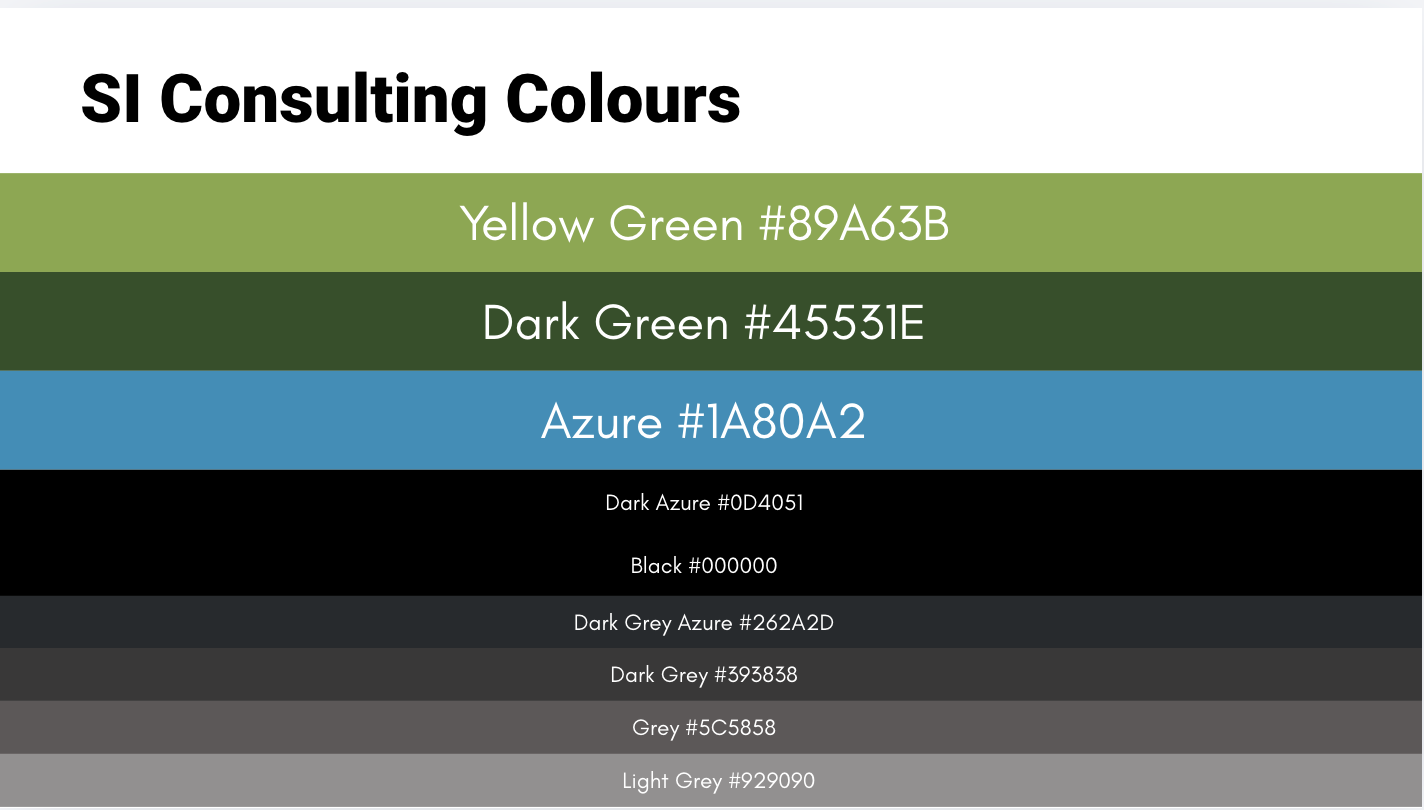
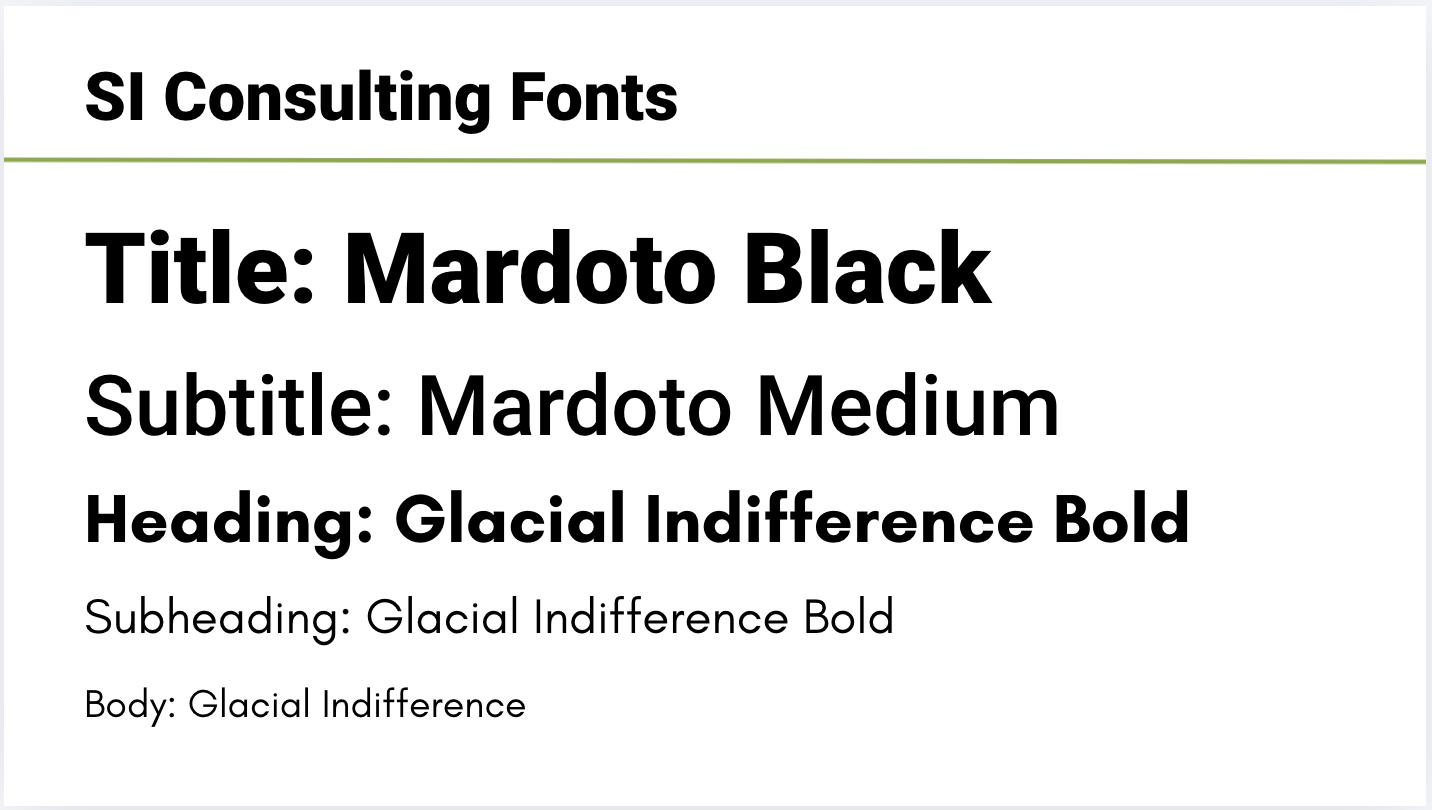
The logo, colour palette, typography and supporting visual direction were developed to feel technical, grounded and contemporary.
The dark foundation gives the brand weight and authority, while the green and blue elements connect the business to resource recovery, water, energy and circular systems.
The result is an identity that can sit credibly in front of councils, industrial organisations, waste operators and commercial decision-makers while remaining recognisably connected to sustainability.
Positioning the business for a complex audience
The messaging needed to make specialist expertise accessible without diluting it.
Potential clients may include council officers, operations managers, facility owners, waste and sustainability teams, manufacturers, developers and organisations considering significant infrastructure investment.
Each audience enters the conversation with different priorities.
Some are focused on escalating waste costs. Some need to improve an existing system. Others are exploring bioenergy or circular-economy opportunities but need independent guidance before deciding whether to proceed.
The positioning was built around practical and measurable outcomes: reducing costs, improving system performance, recovering value and determining what is realistically achievable.
This allowed the brand to communicate technical depth without relying on language that only industry specialists could understand.
Developing the documents behind the business
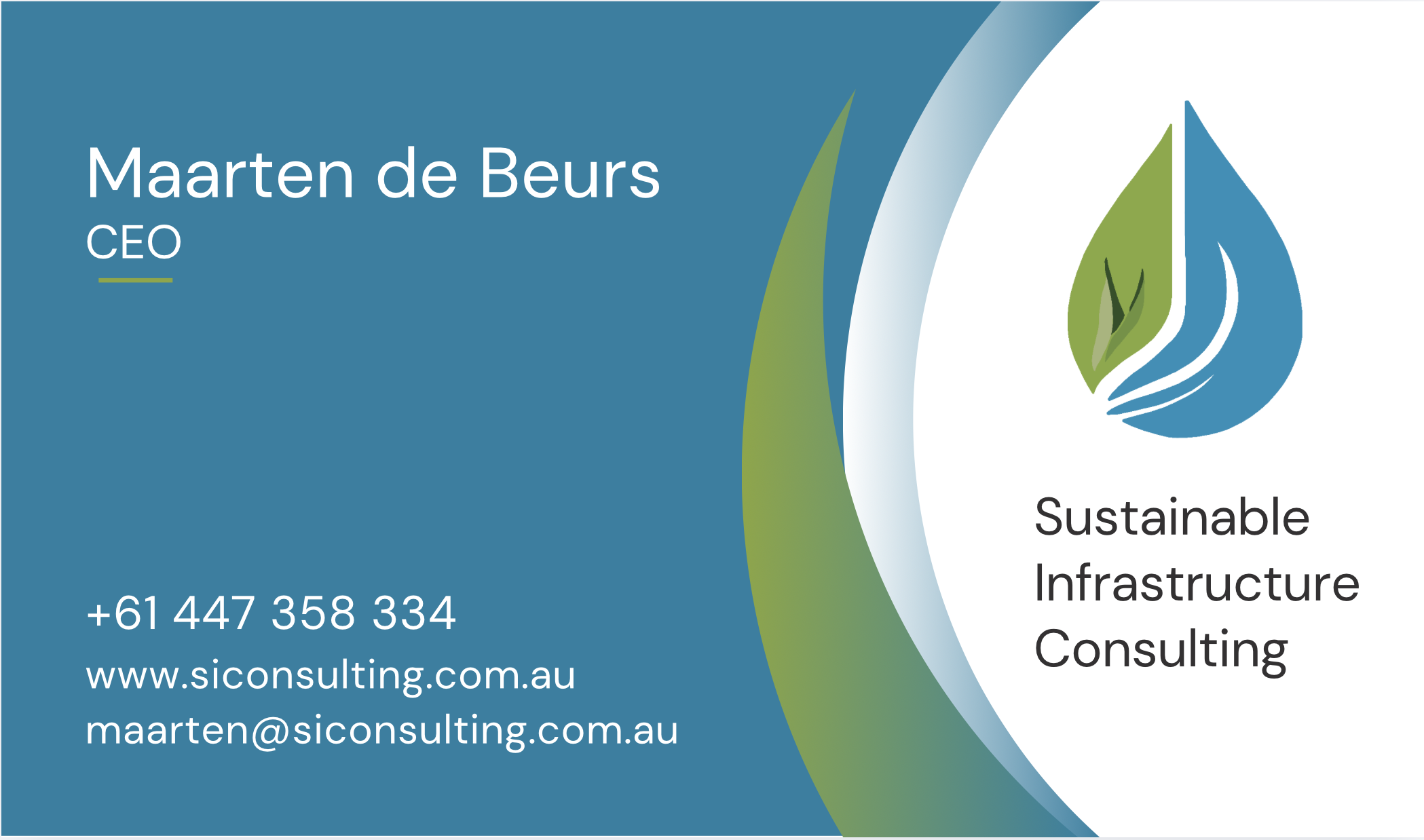
For a consulting business, the brand needs to remain coherent beyond the website.
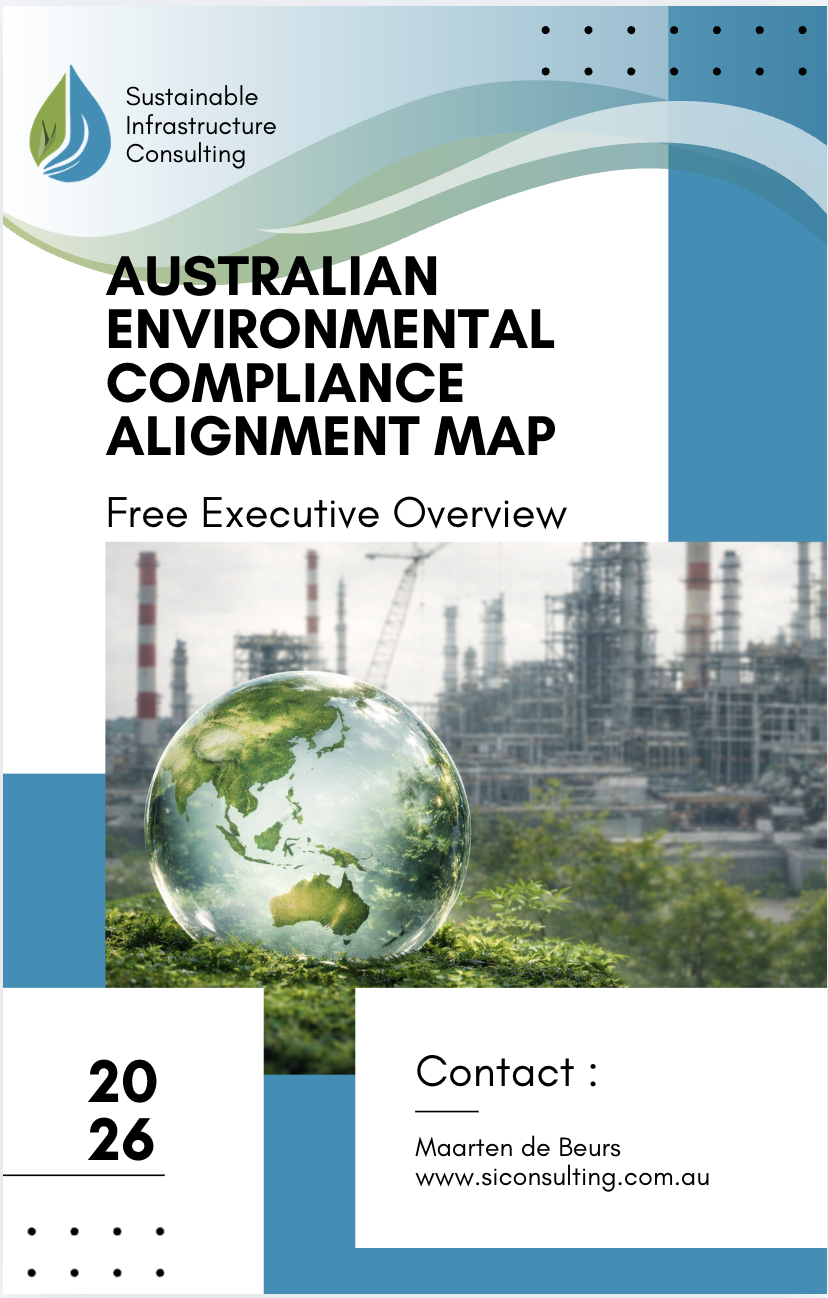
Stationery, report templates, project documents, presentation decks and sales materials were developed to create a consistent professional presence across each stage of a client engagement.
These materials needed to support detailed technical information without becoming visually dense or disconnected from the wider identity.
Report templates established a clear structure for presenting findings, recommendations and supporting data.
Project sales decks helped communicate complex opportunities to decision-makers, while branded proposals and supporting documents created greater consistency from the first conversation through to final delivery.
Together, these assets gave the business a practical working system rather than a visual identity that existed only in principle.
An ongoing brand partnership
The Feel Co.’s role has continued beyond the original business development, identity and website launch.
Ongoing work includes brand oversight, document development, presentation support, website updates, content refinement and guidance as new services and opportunities emerge.
This continuity allows the brand and business structure to evolve alongside the consultancy rather than becoming fixed at the point of launch.
As projects develop and the business enters new conversations, the supporting materials can be expanded without losing the clarity and consistency established at the beginning.
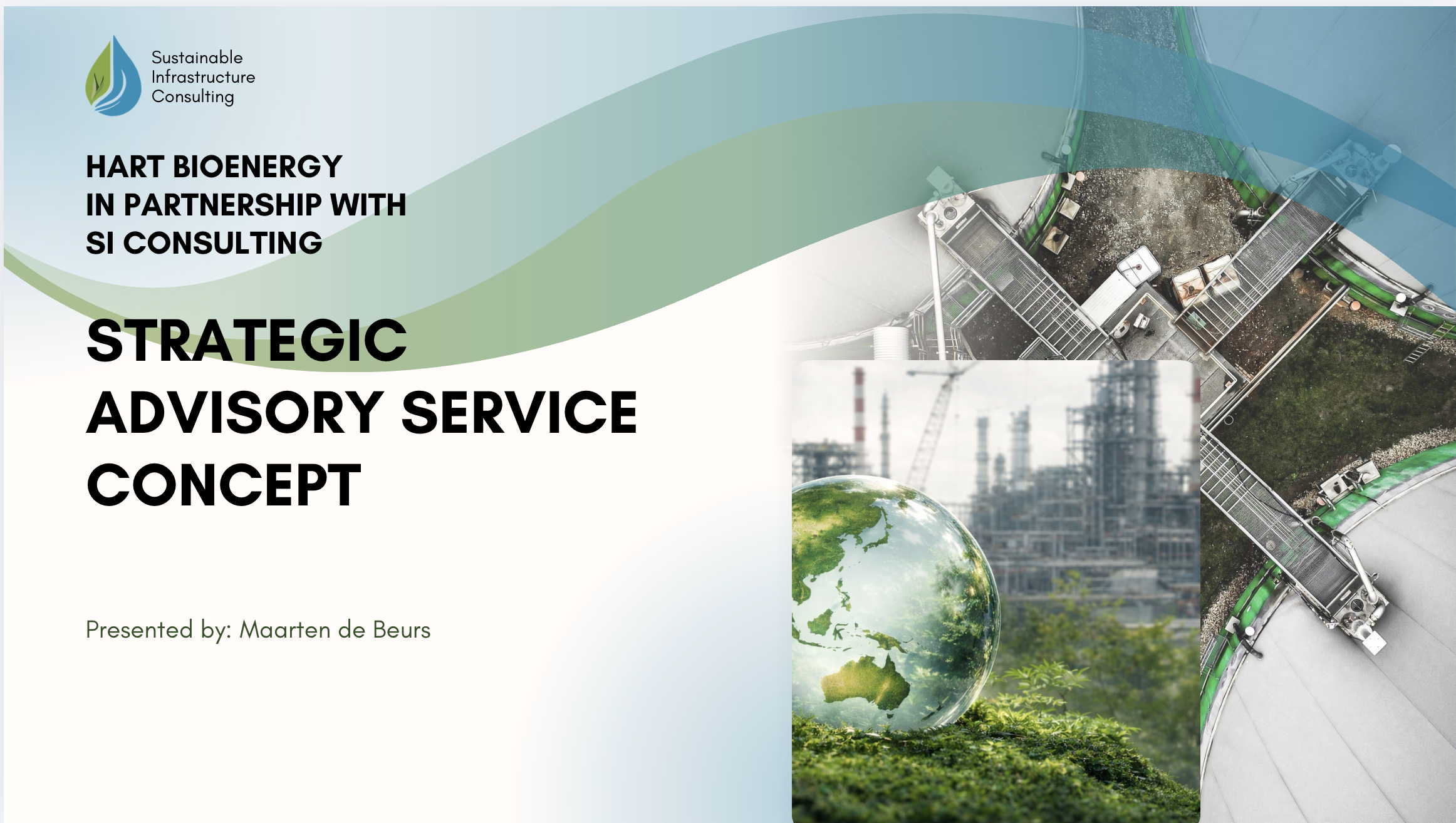
The work included
Business concept and commercial direction
Business structure and service architecture
Monetisation and growth strategy
Brand strategy and market positioning
Logo and visual identity development
Brand colour and typography systems
Messaging and verbal direction
Service naming and offer development
Waste Health Check offer development
Website strategy and information architecture
Website copywriting
Squarespace design and development
SEO and AI-findability foundations
Photography direction and image selection
Stationery design
Report templates
Proposal and project documentation
Project sales decks
Technical presentation templates
Client-facing document systems
Ongoing website support
Ongoing brand and strategic support
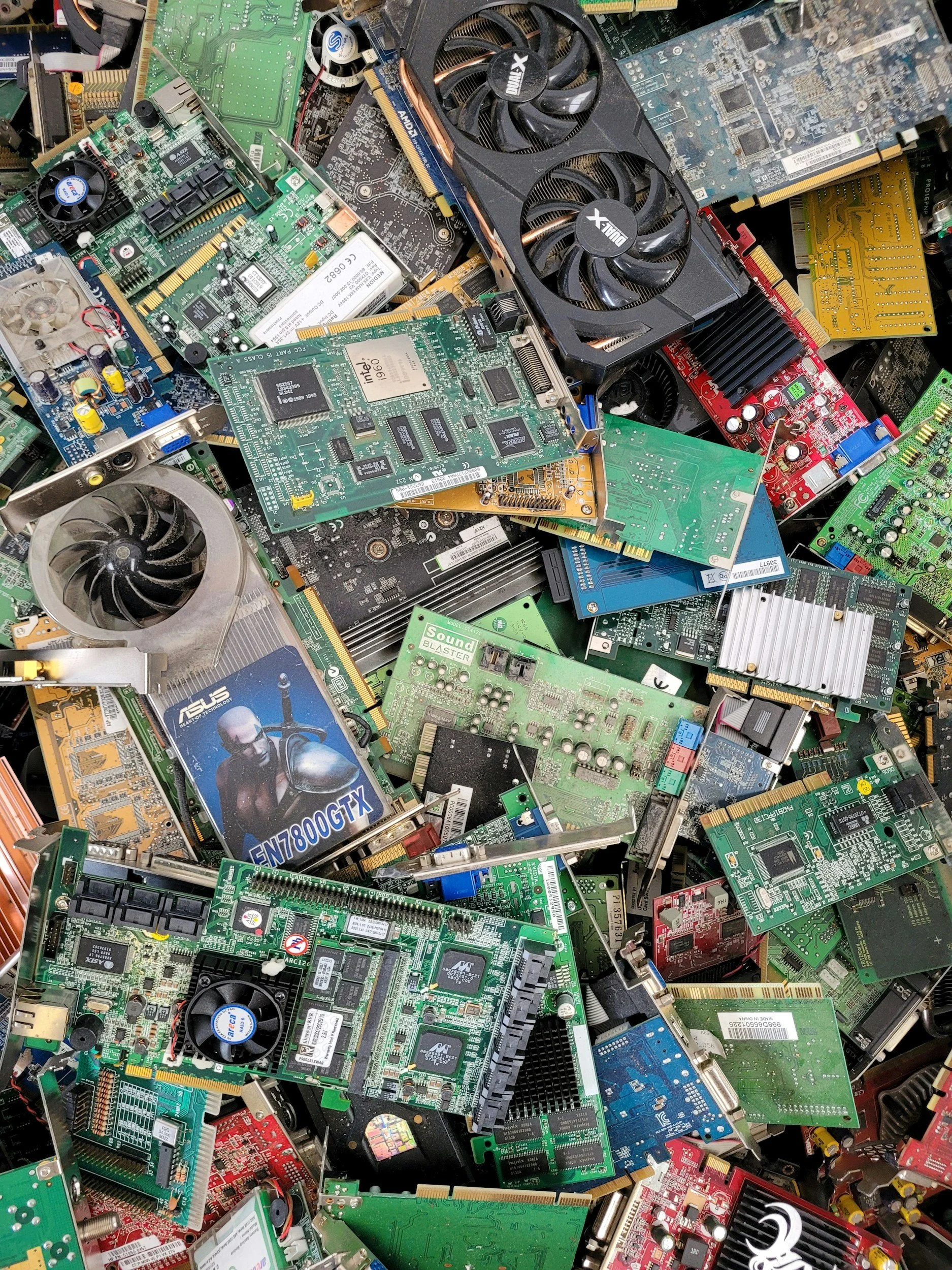
Creating a relevant visual world
The photography direction was developed around the environments in which the work takes place.
Rather than relying on generic sustainability imagery, the visual language draws from waste facilities, processing systems, resource streams, industrial infrastructure and operational decision-making.
The imagery needed to show the material reality of waste while still feeling considered enough for a professional consulting brand.
This balance helps the business speak to people working inside the sector rather than presenting waste management from a distant or purely promotional perspective.
The photography now supports the distinction at the centre of the brand: this is sustainability grounded in real systems, infrastructure and commercial outcomes.
The outcome
Sustainable Infrastructure Consulting moved from specialist expertise and an emerging business idea into a defined, commercially structured consultancy.
The business now has a clear market position, a purposeful service architecture and an accessible starting point for organisations that may not yet know exactly what needs to change.
Its identity and language support engagement with councils, waste service providers, industrial businesses and infrastructure stakeholders, while its reports, presentations and project materials carry that professionalism into the consulting relationship itself.
The result is a coherent business system built around real expertise: one that can help clients address immediate waste inefficiencies while also supporting more complex decisions about resource recovery, bioenergy and future infrastructure.
When the expertise exists, but the business around it does not yet carry its full value.
The work is not only to create a logo or put the services online.
It is to understand where the expertise creates value, shape a viable business around it and build the brand, tools and systems needed to take that value into the market.